From Marine Protected Areas to mitigation of fisheries bycatch, read about the work of BirdLife International, our Partners, and our collaborators in using seabird tracking data to inform conservation action.
The Marine Megafauna Conservation Toolkit is an open-access online toolkit which facilitates scientists, conservationists, and policymakers to identify and advocate for the conservation of important sites for marine megafauna.
Seabirds are both terrestrial and marine animals. They depend on both realms to survive – and so they are also affected by threats in both environments.
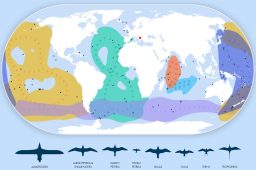
A major hotspot for foraging seabirds in the North Atlantic estimated to be used by more than 5 million seabirds from 21 species throughout the year, with birds coming from at least 56 colonies in 16 different countries is being considered by the OSPAR Convention for designation as a marine protected area called the North Atlantic Current and Evlanov Seamount (NACES) MPA.
BirdLife has been a key stakeholder in the Convention on Biological Diversity-led process to describe Ecologically and Biologically Significant Areas (EBSAs). We have compiled seabird tracking data and provided information on relevant marine KBAs, to guide the description of EBSAs at the Regional Workshops.
The high seas occupy approximately half of the planet. Yet, we know much less about this vast part of the ocean than any other area of the globe. The high seas are also poorly protected because there is no global regulatory framework for conservation or even sustainable use of natural resources in his area.